Blog
What’s the Difference Between Separation and Divorce in Ontario?
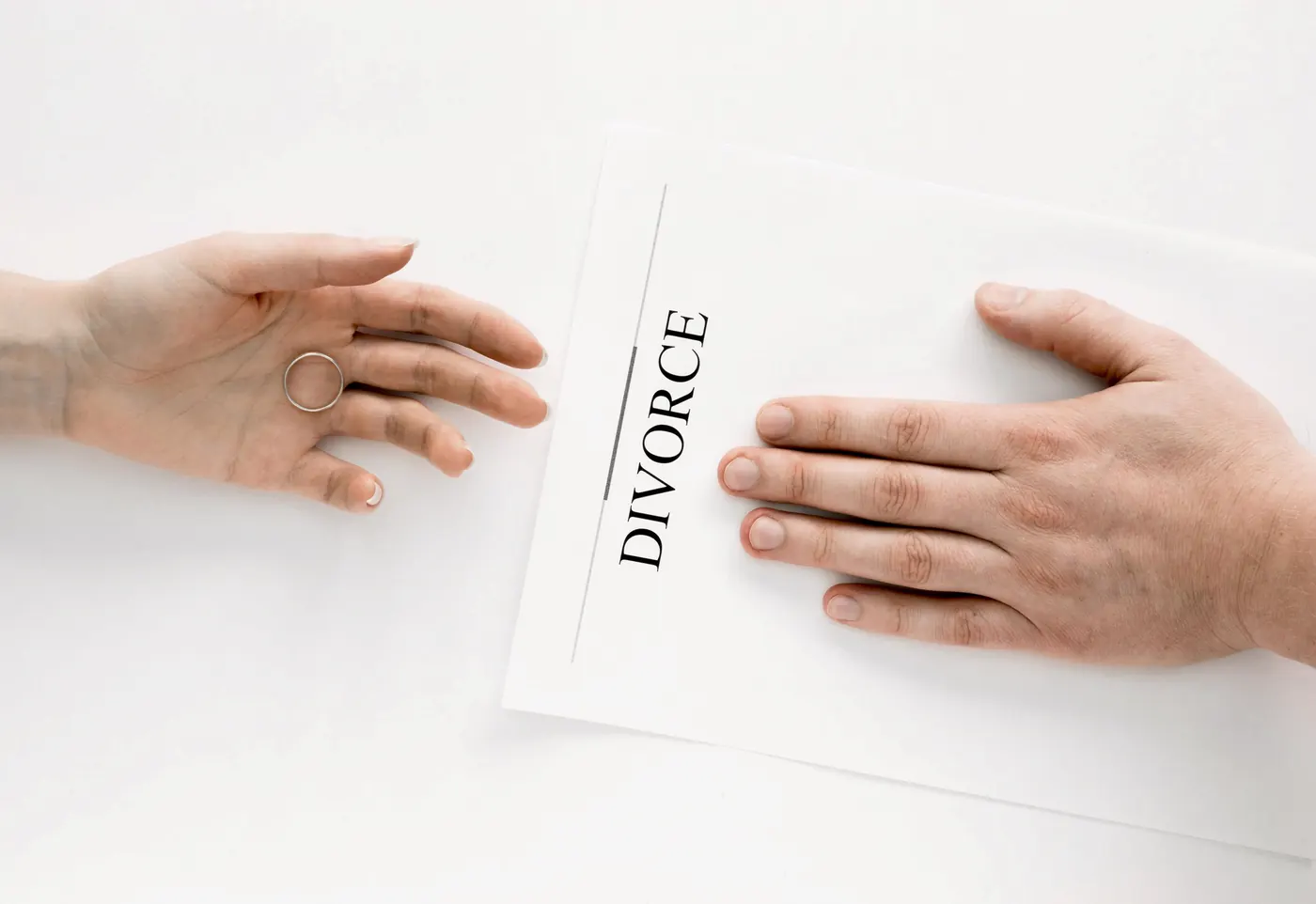
Many people use the words separation and divorce interchangeably, but in Ontario family law, they have very different meanings. Understanding the distinction is crucial if you’re navigating a relationship breakdown and want to know your rights and responsibilities.
What Is Separation?
Separation happens when you and your spouse or partner decide to live apart with the intention of ending your relationship.
- No formal paperwork is required. You are considered “separated” the moment one of you decides the relationship is over and begins living apart (physically or, in some cases, under the same roof but no longer as a couple).
- Separation Agreement: While not required, most couples formalize the terms of their separation with a written agreement. This can address:
- Parenting arrangements (decision-making responsibility and parenting time)
- Child and spousal support
- Division of property and debts
- Legal status: You remain legally married (if you were married), even though you are living separately.
What Is Divorce?
Divorce is the legal termination of a marriage granted by the Ontario Superior Court of Justice.
- Court involvement required. Unlike separation, divorce requires a court order.
- Eligibility: To file, at least one spouse must have lived in Ontario for the past 12 months, and there must be valid grounds (most often one year of separation).
- Finality: A divorce legally ends your marriage, which means you can remarry in the future.
- Other issues (support, custody, property): These are usually resolved through a separation agreement or court proceedings before a divorce is finalized.
Key Differences Between Separation and Divorce
| Separation | Divorce |
|---|---|
| Can happen immediately once partners decide to live apart | Requires a court order |
| No legal paperwork required (though agreements are recommended) | Involves filing forms and following legal procedures |
| You remain legally married | Marriage is legally ended |
| Can deal with parenting, support, and property issues | Focused on ending marital status; related issues often already settled |
Why Does the Difference Matter?
- Remarriage: You cannot remarry until you are legally divorced.
- Legal obligations: Separation can resolve financial and parenting issues without court involvement, but only divorce changes your marital status.
- Timing: Many people separate first, deal with the key issues, and then apply for divorce once they’ve been apart for a year.
Key Takeaways
- Separation is about living apart and can be informal or formalized through an agreement.
- Divorce is the court process that legally ends your marriage.
- Most families resolve parenting, support, and property matters during separation before pursuing divorce.
This article provides general information about Ontario family law and is not legal advice. Every situation is different. Please contact us for advice about your circumstances.
Have questions about your situation?
Book a confidential consultation with Amana Family Law.